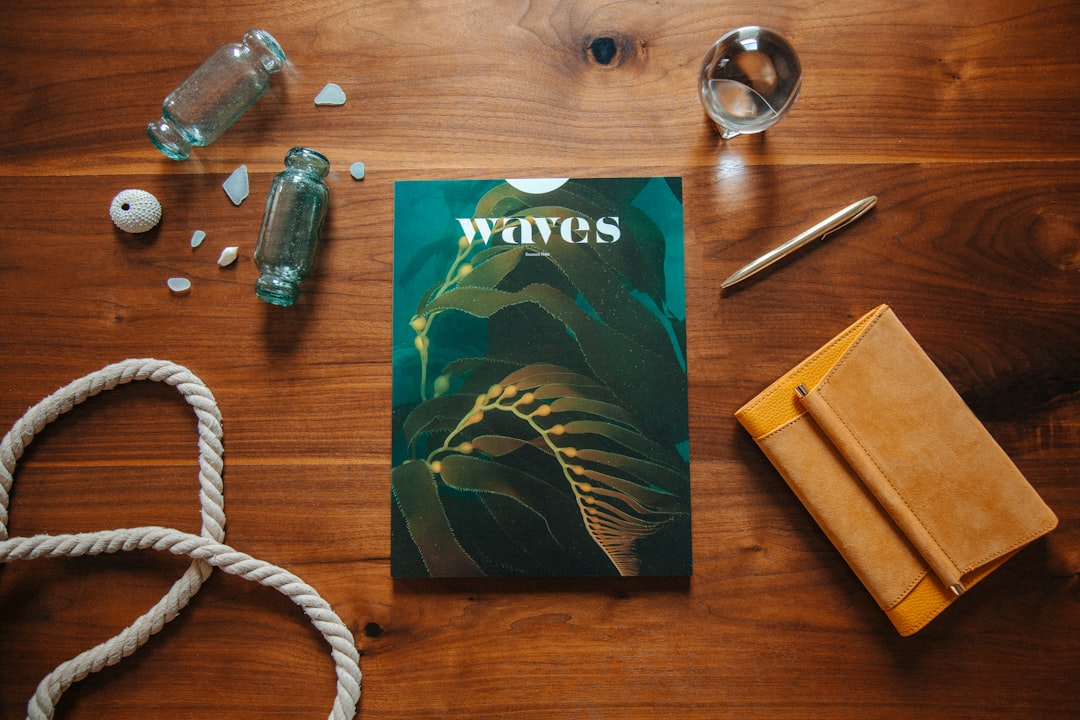
There is a particular stack of books that lives on most nightstands. Four or five titles, each one with a bookmark wedged somewhere in the first sixty pages. A novel everyone said you had to read. The non-fiction one you bought after a podcast. A reread you started in a fit of nostalgia and abandoned by chapter three. They sit there as a quiet pile of good intentions, slowly gathering dust and a faint sense of guilt.
If you have ever set a goal like "50 books this year" in January and quietly forgotten about it by March, you already know the problem with big targets. The good news is that figuring out how to read more books has very little to do with willpower or finding extra hours you do not have. It comes down to a handful of small adjustments that make picking up a book the easy choice instead of the heroic one.
Why habits beat ambitious goals
A big number feels motivating for about a week. Fifty books, a hundred books, one a week without fail. Then real life shows up. You miss a few days, the math turns against you, and suddenly the goal that was supposed to inspire you is just a reminder of how far behind you are. Most people respond to that gap by giving up entirely, because catching up feels impossible.
A habit works differently because it does not care about the total. It cares about today. If your aim is to read a couple of pages tonight, you can hit that even when you are tired, busy, or distracted. And here is the part that surprises people: a couple of pages a night usually turns into more, because the hardest moment in reading is opening the book, not staying with it.
The shift is from outcome to action. Instead of measuring yourself against a yearly tally, you measure yourself against one question. Did I read a little today? That is a question you can answer yes to almost every day, and the books quietly add up on their own.
Make it tiny and anchor it to something you already do
The smaller the commitment, the harder it is to skip. Two pages is the move here. Not two chapters, not twenty minutes, just two pages. It sounds almost pointless, which is exactly why it works. On a bad day you read your two pages and stop with a clear conscience. On a normal day you read your two pages and keep going because you are already in.
The second piece is attaching that tiny action to a routine you never skip. Your brain is good at riding existing patterns, so you borrow one that already runs on autopilot. A few that tend to stick:
- Two pages with your morning coffee, before you open your phone
- A chapter on the commute, train or bus
- Ten minutes in bed, lights low, instead of one more scroll
The coffee one is reliable because the trigger is so clear. The kettle goes on, the cup gets filled, the book opens. After a couple of weeks the sequence runs by itself, the same way your other morning habits do. If you are already building a calmer start to the day, reading slots neatly into a set of morning wellness rituals you actually look forward to.
Design your environment
Most reading does not lose to a lack of time. It loses to friction and to the phone. If your book is in a drawer and your phone is in your hand, the phone wins every time, and it is not close.
So make the book the path of least resistance. Leave it somewhere you will physically trip over it: on the pillow, next to the coffee maker, on the arm of the chair you always sink into. A visible book is a small, constant nudge. An out-of-sight book may as well not exist.
Then deal with the phone, because it is the real competition. The simplest fix is also the most effective one. Put it in another room while you read. Not face down on the table, not in your pocket, in a different room where reaching for it takes effort. The few seconds of friction are usually enough to keep you in the book. Plenty of people find that the same move helps everywhere, and reading is a gentle on-ramp to spending less screen time overall without making it a whole project.
Read what you actually want to read
Somewhere along the way, a lot of us absorbed the idea that reading should be improving. Difficult literary novels, dense history, the books that show up on serious lists. So we pick those, struggle through forty pages, stall, and conclude that we are just not readers.
You are allowed to read for pleasure. Thrillers, romance, fantasy, celebrity memoirs, comfort rereads of the same series you have loved since you were fifteen. The point is to build the habit, and you build a habit by enjoying the thing, not by enduring it.
That includes permission to quit. If a book is not working for you a third of the way in, put it down and start another one. There is no prize for finishing something you have stopped liking, and forcing it usually just kills your momentum for weeks. Quitting a dull book is not a failure of discipline. It is the thing that keeps you reading at all.
Count every format
Reading does not only mean a printed book held in two hands in a quiet room. That image is lovely, and it is also why a lot of people think they have no time to read.
An ebook is reading. The whole library fits in your bag, the text size adjusts to your tired eyes, and you can read a few pages in a waiting room without anyone knowing. An audiobook is reading too, whatever a purist might tell you. You take in the story, you follow the argument, you remember it afterward. The format is irrelevant to that.
Audio in particular unlocks time you did not know you had. The commute, the dishes, the dog walk, the gym. Those are hours that were never going to become quiet-armchair time anyway. A subscription, your library's free app, or a podcast feed all get you there. The goal is more stories in your head, not more paper on your shelf.
Track it lightly and find a gentle nudge
A little tracking helps, as long as it stays light. The moment it turns into a chore or a guilt machine, it works against you. Skip the elaborate spreadsheet that rates every book out of ten. A plain list of titles and the month you finished them is plenty. Watching that list grow is quietly satisfying, and it gives you something to look back on without any pressure attached.
Other people are the other half of this. A friend reading the same book gives you a low-key reason to keep going, even if your whole book club is just the two of you texting. A library hold is its own kind of nudge. When the email lands saying your book is ready, you have a window before it goes back, and that gentle deadline does more than any motivational quote.
What you want to avoid is turning reading into another performance, all streaks and stats and public goals. The list is for you. The friend is for fun. Everything else is optional.
Getting through a reading slump
Every reader hits a wall now and then. You sit down with the book, read the same paragraph four times, and realize nothing has gone in. This is normal, and it is usually not about the book.
The first thing to check is rest. It is genuinely hard to read when you are exhausted, because reading asks for focus you do not have at the end of a wrung-out day. If you keep nodding off over the same page, the answer might be earlier nights rather than better books. Sorting out a few of the basics in a better sleep guide often does more for your reading than any clever trick.
Beyond that, give yourself room to switch things up. If a heavy book has stalled you, reach for something fast and fun that pulls you along by the plot. Reread an old favorite, where there is zero pressure because you already know you love it. Try a short story collection so a finish line is never far off. Or just step away for a week without guilt. The habit will still be there when you come back, especially if you have kept the trigger and the visible book in place.
The takeaway
Reading more is not a matter of becoming a more disciplined person. It is a matter of lowering the bar until picking up a book is easier than not. Make the commitment tiny, attach it to something you already do, keep the book where you can see it, and send the phone to another room. Read what you genuinely enjoy, count audiobooks and ebooks as the reading they are, and let yourself abandon anything that bores you.
Track it just enough to feel the small wins, lean on a friend or a library hold when motivation dips, and treat the inevitable slumps as rest stops rather than the end of the road. Do that, and the stack on the nightstand stops being a pile of guilt. It starts going down, one or two pages at a time, which is the only way it ever really does.
Editorially reviewed: Daniel Okafor